First Coast vs. the Rest of Florida: Why Relocating Buyers Are Choosing Jacksonville
First Coast vs. the Rest of Florida: Why Relocating Buyers Are Choosing Jacksonville
How Jacksonville Compares to Miami, Tampa, and Orlando on Price, Insurance, Taxes, Beaches, and the Real Cost of Daily Life
Florida gains hundreds of new residents every day, and not all of them are headed for the high-rises of Miami or the theme parks of Orlando. A growing share are choosing Jacksonville and the surrounding First Coast for a simple reason: their money goes further here than anywhere else among Florida's large metros. For buyers relocating from out of state, or even from elsewhere in Florida, the decision usually comes down to a handful of practical comparisons: what a home costs, what it costs to insure, what the property taxes run, whether the beach is reachable, and how far a paycheck stretches against the cost of daily life. This guide places Jacksonville side by side with Miami, Tampa, and Orlando on each of those measures. The goal is not to claim Jacksonville wins on every line, because it does not, but to give relocating buyers an honest framework for understanding where the First Coast fits among Florida's major markets.
Jacksonville Among Florida Metros — 2026
Four Metros, Four Very Different Markets
Florida's four largest metropolitan markets each have a distinct character and a distinct cost structure. Understanding those differences is the first step for any buyer weighing where in the state to land.
Jacksonville (First Coast)
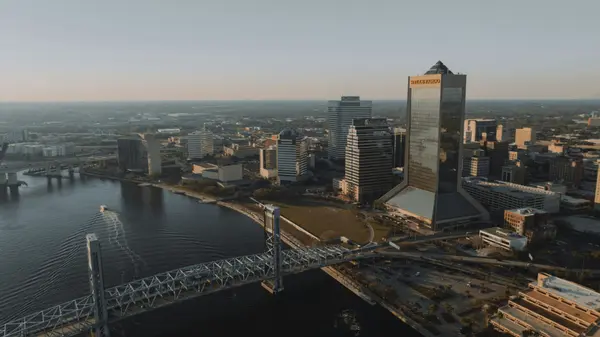
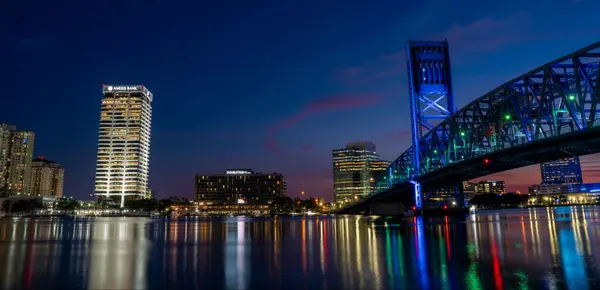
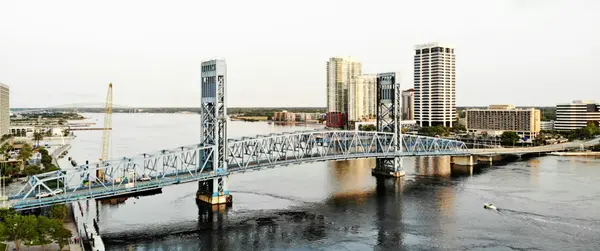
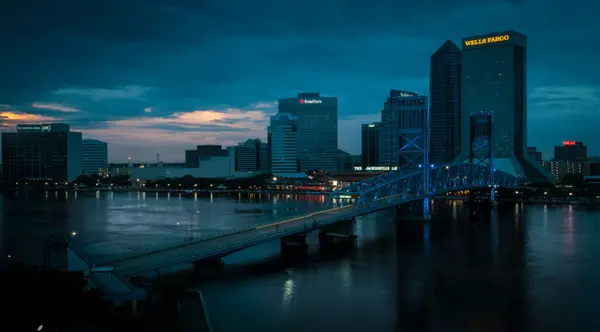
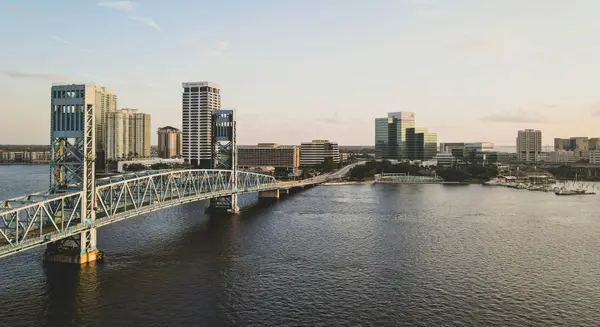
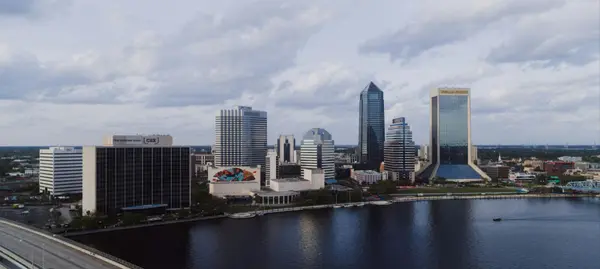
The largest city by land area in the contiguous United States, with the most attainable home prices among Florida's big metros and direct Atlantic beach access. A diversified economy spanning healthcare, logistics, fintech, defense, and the Port of Jacksonville. Lower density and lighter traffic than the peninsula metros.
Miami (South Florida)
Florida's global city: international culture, finance, and nightlife, with the state's highest home prices and highest insurance costs. A luxury-tilted market best suited to higher earners or those who prioritize the South Florida lifestyle over cost efficiency.
Tampa (Gulf Coast)
A fast-growing Gulf Coast metro with a strong job market, professional sports, and a lively downtown and Riverwalk. Home prices and insurance run higher than Jacksonville, with storm-surge exposure along the bay influencing coastal insurance costs.
Orlando (Central Florida)
The theme-park capital and a major employment hub, located inland in Central Florida. Its inland position gives it the lowest home insurance of the big metros, but no direct beach access (the coast is about an hour away) and significant tourism-driven traffic.
Head to Head: The Numbers That Matter
| Factor | Jacksonville | Miami | Tampa | Orlando |
|---|---|---|---|---|
| Median Home (metro) | ~$300K-$350K | ~$600K+ | ~$400K-$430K | ~$390K-$420K |
| Home Insurance ($300K dwelling) | ~$2,500-$4,500 | ~$5,300-$7,500 | ~$4,000-$5,800 | ~$2,200-$3,400 |
| State Income Tax | None | None | None | None |
| Effective Property Tax | ~0.82-0.89% | ~0.97% | ~0.98% | ~0.94% |
| Direct Beach Access | Yes (in city) | Yes | Bay / ~45 min Gulf | No (~1 hr) |
| Traffic / Density | Lower | High | Moderate-high | High (tourism) |
| Lifestyle Cost ("cost of fun") | Lower | High | Moderate | Moderate |
Figures are approximate 2026 metro-level estimates for comparison and vary by neighborhood, home age, coverage, and proximity to the coast. Insurance ranges reflect a $300,000 dwelling policy; actual premiums depend on the specific property. Always obtain property-specific quotes.
Housing: What Your Dollar Actually Buys
The housing gap between Jacksonville and South Florida is the single biggest driver of relocation to the First Coast. In Miami, a given budget often buys a condo or a smaller home on a compact lot. In Jacksonville and the surrounding counties, the same budget frequently buys a larger single-family home with a yard, often newer, and sometimes with a pool or water access. A common pattern among relocating buyers is selling a condo or modest home in South Florida and purchasing a substantially larger single-family home on the First Coast while staying within, or even below, the prior budget.
Jacksonville also offers something the inland metros cannot: it is the most affordable large Florida city with direct Atlantic beach access. Orlando, despite its lower insurance costs, sits roughly an hour from the nearest coast. For buyers who want beach proximity without South Florida or Gulf Coast pricing, the First Coast occupies a genuinely distinctive position. Our Jacksonville Beaches guide and Waterfront Homes guide cover the coastal and water-access options in detail.
Insurance and Taxes: The Carrying-Cost Story
Florida's homeowners insurance market is the most expensive in the nation, but the cost varies dramatically by region, and this is where Jacksonville's position is nuanced. The First Coast's northern location and reduced hurricane frequency relative to South Florida generally place it in a more moderate insurance tier than Miami or Tampa, where coastal wind and storm-surge exposure drive premiums to the highest levels in the state. Jacksonville is not, however, the cheapest in Florida for insurance; inland Orlando, with no coastal exposure, typically carries lower homeowners premiums. The honest framing is that Jacksonville sits between the high-cost coastal South and the lowest-cost inland center, while still offering beach access that inland markets lack.
On property taxes, all four metros benefit from Florida's lack of a state income tax and the homestead exemption and Save Our Homes cap we detail in our HOA, CDD, and Property Tax guide. Jacksonville's effective property tax rate (roughly 0.82-0.89% in Duval County) is among the lowest of the four, and because Jacksonville home values are lower, the actual dollar tax bill is meaningfully smaller than a comparable home in Miami, where higher values drive higher total taxes even at a similar rate.
Lifestyle and the "Cost of Fun"
Beyond the hard numbers, relocating buyers often underestimate the difference in what might be called the cost of daily life. Miami offers world-class dining, nightlife, and culture, but those experiences typically carry a premium, and certain neighborhoods attach a cost simply to being there. Jacksonville's appeal runs in a different direction: much of what residents value most costs little or nothing. Beach days at Atlantic, Neptune, and Jacksonville Beach, boating and fishing on the St. Johns River and Intracoastal, the parks and trails throughout the region, and a growing but approachable food and craft-beverage scene define the lifestyle here. For families and outdoor-oriented buyers, the First Coast often delivers a higher "lifestyle return on income" than the more expensive metros to the south.
Jacksonville's lower density also translates to lighter traffic than Miami, Orlando, or Tampa. The city is geographically large, but its highway system moves more freely than the congestion that defines tourism-heavy Orlando or the dense urban core of Miami. For commuters and families, that daily-life difference compounds over time.
Jobs, Growth, and Momentum
Affordability only matters if the economy supports it. Jacksonville's job market has grown steadily across healthcare, logistics, fintech, defense, and port-related industries, and recent analyses have ranked it among the strongest job markets in the country. The region's affordability has been improving relative to the rest of the state, with Jacksonville posting one of Florida's largest gains in housing affordability rankings in the past year. The National Association of Realtors named Jacksonville among its top places to buy a home in 2026, citing rising affordability, inventory growth, and increased buyer opportunity. For relocating households weighing income potential against cost of living, Jacksonville's combination of moderate salaries and lower expenses produces one of the better balances among Florida's large metros. Our Jacksonville Relocation Guide covers the area orientation, commute patterns, and neighborhood selection in full.
When Another Florida Metro May Fit Better
- If you want the lowest possible insurance and do not need the beach: Inland Orlando typically carries lower homeowners premiums than Jacksonville because it has no coastal wind exposure. The trade-off is no direct beach access and heavier tourism traffic.
- If your career or industry is concentrated elsewhere: Certain industries (international finance and trade in Miami, hospitality and theme-park operations in Orlando) are more concentrated in those metros. Job market fit can outweigh cost-of-living advantages.
- If you prioritize a specific cultural scene: Miami's international culture, nightlife, and dining are distinctive. If that lifestyle is your priority, the premium may be worth it to you.
- If you want Gulf Coast beaches specifically: Tampa and the surrounding Gulf Coast offer calmer, warmer Gulf waters, a different experience from the First Coast's Atlantic surf. Beach preference is personal.
Considering a Move to the First Coast?
The Reel Keeper Home Team helps buyers relocating from across Florida and around the country understand what their budget buys in Jacksonville and the surrounding counties. Whether you are moving from Miami, Tampa, Orlando, or out of state, we can help you compare neighborhoods, total cost of ownership, and lifestyle fit across all 17 featured markets and four counties in Northeast Florida.
Search Single-Family Homes for Sale in Northeast Florida
Questions About Relocating to Jacksonville?
Contact the Reel Keeper Home Team for personalized guidance.
Schedule a Free ConsultationAbout the Author: The Reel Keeper Home Team at eXp Realty helps buyers relocating to Northeast Florida from across the state and the country. From orientation to neighborhood selection across all 17 featured markets and four counties, the team helps newcomers understand what their budget buys on the First Coast. Call (904) 414-4000 or email team@reelkeeper.com.
Categories
Recent Posts