St. Augustine FL: Living in the Nation's Oldest City
St. Augustine, Florida: Living Where Four Centuries of History Meet the Atlantic Coast
A Complete Guide to Neighborhoods, Home Prices, and What It Means to Buy in the Nation's Oldest City
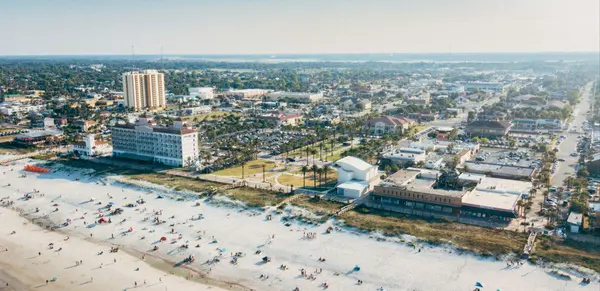
St. Augustine occupies a position in Northeast Florida's real estate market that no other community can claim. Founded by Spanish explorers in 1565, it is the oldest continuously occupied European settlement in the United States, a distinction that shapes everything from the architecture to the zoning code. Within less than 13 square miles, the city contains a walkable historic district with cobblestone streets and Spanish Colonial Revival homes, barrier island beaches on Anastasia Island, master-planned golf communities at World Golf Village, and quiet residential neighborhoods along the Matanzas River. The city draws more than 7 million visitors annually, but the people who live here full-time experience something quite different from the tourist version: a small coastal city with a genuine sense of place, strong schools in the #1 ranked district in Florida, and a lifestyle that combines ocean access, cultural depth, and the kind of walkable daily routine that most of Florida's suburban communities cannot offer.
St. Augustine at a Glance
Why St. Augustine Is Unlike Anything Else in the Northeast Florida Market
Every other community profiled in our blog series exists, in some form, as a neighborhood within the Jacksonville metro: suburban, car-dependent, and organized around master-planned amenities or commute proximity. St. Augustine is not a neighborhood. It is a city with its own identity, its own economy, and a cultural life that existed for centuries before Jacksonville was incorporated. The difference is not just historical. It is practical. When you buy in St. Augustine, you are buying into a place where the street grid predates the automobile, where historic preservation regulations shape what can and cannot be built, where tourism generates economic activity independent of any single employer, and where the pace of daily life is calibrated to something slower than the suburban standard.
For buyers coming from the Jacksonville side of the market, this means a fundamentally different set of trade-offs. Commute times to downtown Jacksonville run 45 to 60 minutes from most St. Augustine neighborhoods. The employment base is more localized, centered on healthcare, tourism, education, Flagler College, and the growing commercial development along US 1 and the I-95 corridor. Homes in the historic district carry preservation requirements. Insurance costs on older structures and barrier island properties require careful evaluation. But for buyers whose priority is lifestyle, cultural richness, walkability, ocean proximity, and a genuine sense of place, St. Augustine delivers something that no amount of new-construction amenities in Nocatee or SilverLeaf can replicate.
The Neighborhoods: A Guide by Character and Budget
St. Augustine Neighborhoods at a Glance
| Neighborhood | Price Range | Character | Best For |
|---|---|---|---|
| Historic District | $360K-$1M+ | Walkable, cultural, preserved | Lifestyle buyers, empty nesters, retirees |
| Anastasia Island / Beach | $350K-$1.5M+ | Coastal, active, beach access | Beach lifestyle, outdoor enthusiasts |
| Vilano Beach | $300K-$1.5M+ | Quiet coastal, Art Deco, dual water | Privacy-seekers, boaters, retirees |
| St. Augustine South / Shores | $250K-$400K | Established, family, no HOA | First-time buyers, families on a budget |
| WGV / Palencia | $300K-$800K+ | Master-planned, golf, suburban | Families, commuters, relocations |
The Lifestyle: What Living Here Actually Means
Living in St. Augustine means occupying a place that has a cultural calendar most cities ten times its size cannot match. The Nights of Lights display transforms the historic district into one of the most photographed holiday destinations in the country from November through January. The St. Augustine Amphitheatre hosts national touring acts in an outdoor venue on Anastasia Island. Flagler College, housed in the former Hotel Ponce de Leon (built by Henry Flagler in 1888), anchors the academic and architectural identity of the city. The Lightner Museum, the Colonial Quarter, Fort Matanzas, and the St. Augustine Lighthouse provide year-round cultural activity.
The dining scene is disproportionately strong for a city of this size. The historic district and St. Augustine Beach both support locally owned restaurants that attract regional attention. The weekly St. Augustine Amphitheatre Farmers Market and the downtown Plaza de la Constitution market provide local produce, crafts, and community gathering. For water access, the city offers Atlantic Ocean beaches, Intracoastal Waterway access, Matanzas River frontage, and proximity to some of the best inshore fishing in Northeast Florida. Charter fishing, kayaking, surfing, and sailing are all accessible within minutes of most neighborhoods.
For buyers relocating from larger cities who want a walkable, culturally rich lifestyle without the scale and cost of a major metro, St. Augustine offers something rare in Florida: a small city that functions as a real city, not a collection of subdivisions organized around a highway interchange.
Location: Proximity to Jacksonville and the Regional Market
| Destination | Drive Time | Notes |
|---|---|---|
| Bartram / SilverLeaf / RiverTown | 15-25 min | I-95 North or US 1 |
| Nocatee / Ponte Vedra Beach | 25-35 min | CR 210 or A1A North |
| Southside / Town Center | 35-45 min | I-95 North |
| Downtown Jacksonville | 45-60 min | I-95 North |
| Jacksonville Beach | 40-50 min | A1A North or I-95 to JTB |
| JAX International Airport | 55-65 min | I-95 North |
Drive times via Google Maps, typical weekday off-peak. St. Augustine's distance from Jacksonville's employment centers makes it best suited for remote workers, retirees, and buyers whose employment is local or based in the southern St. Johns County corridor. For buyers who commute to the Southside or Town Center area, the World Golf Village and Palencia communities offer a 35-45 minute drive, which is comparable to the commute from Mandarin during peak hours.
Market Conditions: What Buyers Need to Know in 2026
St. Augustine's market in 2026 has shifted toward more balanced conditions. The citywide median home price sits at approximately $440,000, with homes spending a median of 76 days on market. Inventory has expanded compared to the tight conditions of 2021 and 2022, and buyers now have more negotiating room than at any point in the past four years. Homes are selling at approximately 97% of asking price, indicating that sellers who price accurately are still achieving strong results, while overpriced listings are sitting.
Within the broader St. Johns County market, our April 2026 data showed the county at a $587,000 median and 32-day selling times. St. Augustine's pricing is more accessible than the county median suggests because the city includes neighborhoods like St. Augustine South and the Shores that bring the overall numbers down from the coastal and historic district premiums. For buyers evaluating new construction in the surrounding area, SilverLeaf, Shearwater, and Beacon Lake are all within 15 to 25 minutes of downtown St. Augustine and offer new homes starting in the low $300,000s.
When St. Augustine May Not Be the Right Fit
- If you commute to Jacksonville daily: The 45-60 minute drive to downtown Jacksonville is substantial. For regular Jacksonville commuters, Mandarin, San Marco, or the Southside offer significantly shorter commutes with access to different lifestyle advantages.
- If you prefer new construction in a master-planned community: The historic district and beach neighborhoods are almost entirely resale. For new construction with SJC schools, the Bartram / NW St. Johns corridor offers SilverLeaf, RiverTown, and Beacon Lake 15-25 minutes north of downtown St. Augustine.
- If tourism traffic is a concern: The historic district and beach areas experience significant seasonal visitor traffic, particularly during Nights of Lights (November through January) and peak summer months. Residents learn the back routes, but the tourism economy is an inherent part of St. Augustine life.
- If insurance costs are a priority: Homes on Anastasia Island, Vilano Beach, and in flood-prone areas near the Matanzas River may carry higher insurance costs than inland properties. Obtain insurance quotes and verify FEMA flood zone status before finalizing any purchase. Our Beach vs. Inland comparison covers the insurance trade-offs across the region.
Considering St. Augustine?
The Reel Keeper Home Team serves buyers across the full St. Augustine market, from historic district homes and beachfront properties on Anastasia Island to master-planned communities at World Golf Village and Palencia. Whether you are relocating for lifestyle, evaluating retirement options, or comparing St. Augustine to other communities in the St. Johns County corridor, we provide the local knowledge and market data to guide your decision.
Search Single-Family Homes for Sale in Northeast Florida
Questions About Living in St. Augustine?
Contact the Reel Keeper Home Team for personalized guidance.
Schedule a Free ConsultationAbout the Author: The Reel Keeper Home Team at eXp Realty serves buyers and sellers across the full Northeast Florida market, from St. Augustine and the St. Johns County corridor to all 17 featured markets in the Jacksonville metro. Call (904) 414-4000 or email team@reelkeeper.com.
Categories
Recent Posts